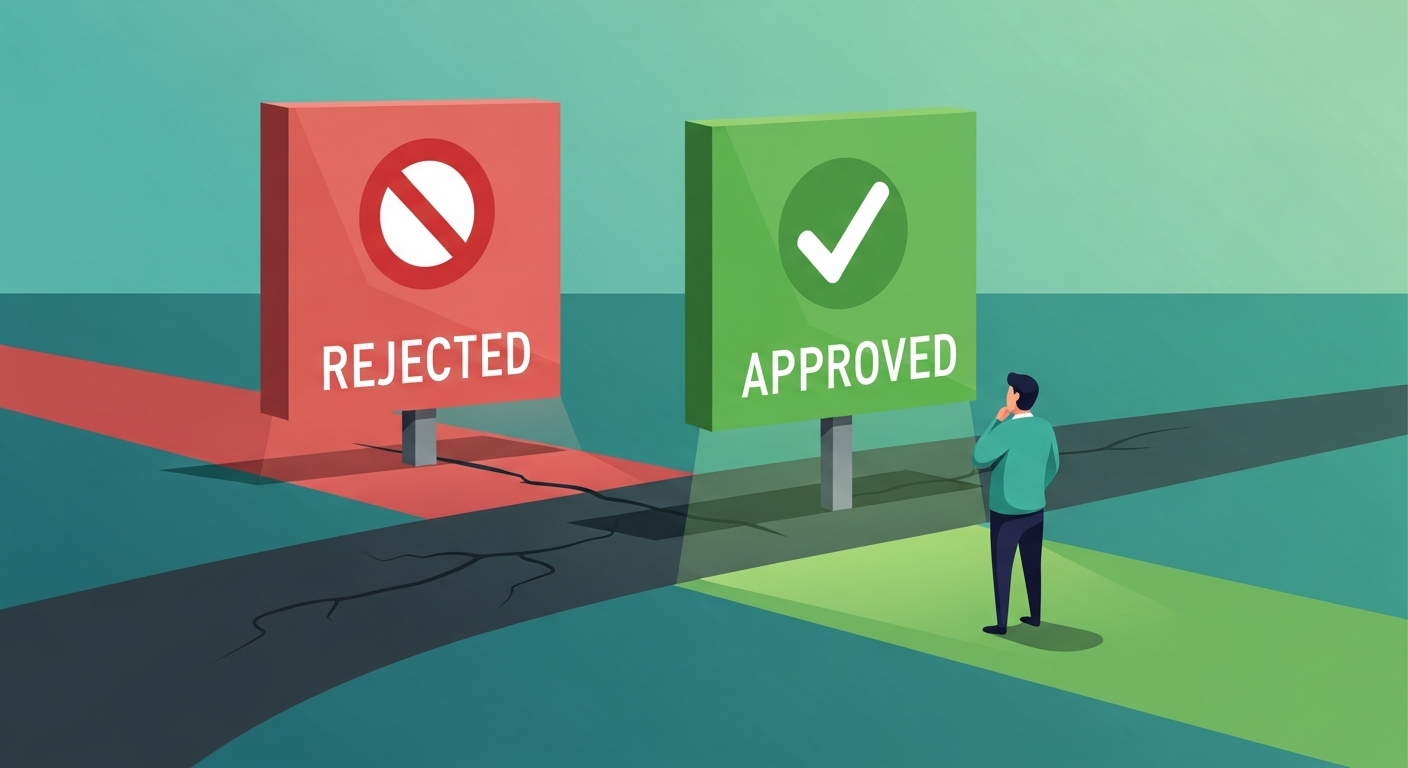
A credit score below 600 closes the door on most traditional loans — but it doesn't mean you have no options. In 2026, a growing number of lenders and financial products are designed specifically for borrowers with poor credit, thin credit files, or past financial mistakes. This guide walks you through every realistic path, from no-credit-check alternatives to strategies that actually rebuild your credit.
Why Your Credit Score Matters — and Why It Doesn't Always Have To
Traditional banks and credit unions use your FICO score as a proxy for repayment risk. A score below 580 is considered "poor" by most lenders, and scores between 580 and 669 are "fair" — meaning you may be approved but at higher rates. However, some lenders look at factors beyond your score:
- Income and employment stability: A steady job with consistent income can offset a low score.
- Debt-to-income ratio (DTI): Even with a low score, you may be approved if your DTI is below 40%.
- Bank account history: Cash advance apps and some online lenders evaluate your bank transaction history rather than your credit score.
- Collateral or cosigner: Secured loans (backed by an asset) or loans with a creditworthy cosigner are significantly easier to obtain.
Option 1: Cash Advance Apps (No Credit Check, $50–$750)
For amounts under $750, cash advance apps are the fastest and most accessible option. Apps like Earnin, Dave, Brigit, and MoneyLion do not run hard credit checks. Instead, they analyze your bank account history. If you have consistent direct deposits and an active checking account, you can likely qualify regardless of your credit score.
Best for: Small amounts, fast access, rebuilding confidence.
Cost: $0–$9.99/month + optional express fees.
Option 2: Online Personal Loans for Bad Credit ($500–$50,000)
Online lenders like Upstart, Avant, LendingPoint, and OneMain Financial specialize in lending to borrowers with scores as low as 300. Expect APRs between 9.99% and 35.99% — significantly higher than prime loans, but far cheaper than payday loans.
Best for: Larger amounts ($1,000+) with structured repayment.
Cost: APR 10%–36%; possible origination fee of 1%–8%.
Option 3: Credit Union Payday Alternative Loans (PALs)
National Credit Union Administration (NCUA)-regulated credit unions offer PALs — small loans ($200–$2,000) with APRs capped at 28% and repayment terms of 1–12 months. PAL II loans allow up to $2,000 with no mandatory waiting period. These are 10–15 times cheaper than payday loans and available to borrowers with thin or damaged credit.
Best for: Borrowers who belong to (or are willing to join) a credit union.
Cost: APR capped at 28%; application fee up to $20.
Option 4: Secured Loans and Credit Builder Products
Secured credit cards and credit builder loans are designed to build credit while providing access to funds. With a secured credit card, you deposit a refundable amount (e.g., $200) and get a $200 credit line. After 6–12 months of on-time payments, the card may convert to unsecured, and your credit score improves. Self and CreditStrong offer credit builder loans that report to all three bureaus.
Best for: Borrowers who want to improve their credit score while borrowing.
Cost: Minimal fees; the security deposit is refundable.
Option 5: Loans With a Cosigner
Adding a creditworthy cosigner with a score above 700 can reduce your APR by 5–15 percentage points and increase your approval odds dramatically. The cosigner is equally responsible for the loan, so choose someone who trusts you and understands the risk.
Best for: Borrowers with a family member or close friend willing to cosign.
Cost: Depends on the cosigner's credit profile.
How to Improve Your Credit Score Before Applying
Even small improvements to your credit score can unlock better rates. Here are the fastest ways to improve:
- Pay down credit card balances: Your credit utilization ratio is the second biggest factor in your score. Paying balances down to 10% or less of the limit can boost your score by 20–50 points in a single billing cycle.
- Dispute errors on your credit report: One in five credit reports contains an error. Get your free reports at annualcreditreport.com and dispute any inaccuracies.
- Become an authorized user: Ask someone with a long, clean credit history to add you to their credit card. You don't need to use the card — their history will appear on your report.
- Pay all bills on time: Payment history is 35% of your score. Even a single 30-day late payment can drop your score by 50–100 points. Set up autopay to avoid this.
- Keep old accounts open: The age of your credit history matters. Closing old cards shortens your average account age and can hurt your score.
Red Flags to Avoid
Not every "bad credit loan" is legitimate. Watch for these warning signs:
- Guaranteed approval without income verification: No legitimate lender approves everyone. If they don't ask for income, they're likely a scam.
- Upfront fees before funding: Real lenders deduct fees from the loan or charge at repayment. Any lender asking for a "processing fee" or "insurance fee" upfront is a scam.
- No physical address or state license: Verify the lender's license through your state's banking regulator. Unlicensed lenders operate outside the law and may charge illegal rates.
- Pressure to borrow the maximum: "You qualify for $5,000 — why not take it?" Only borrow what you need and can repay.
Bottom Line
Bad credit is not a permanent barrier. In 2026, there are more legitimate options for low-credit borrowers than ever before — from cash advance apps and credit union PALs to secured credit cards and cosigner loans. The key is to choose the right product for your situation, avoid predatory lenders, and take active steps to improve your credit score so next time you need funds, the rates are lower and the options are wider.
Disclosure: CashAdvanceFinder.com is not a lender. This content is for educational purposes only and does not constitute financial advice.